
AI is already part of our industry. The real question isn't whether to use it, it's whether we're using it well. Are we optimised or just burning tokens needlessly.
Earlier this year, the MetaBroadcast editorial team blocked out two days to find out. No theorising about what AI might do. Instead, our editors took real tasks and real data, ran them, and wrote down exactly what happened. Two things came out the other side: a Prompt Playbook, and a clear-eyed view of where AI genuinely helps, and where it doesn't.
What we tested
We aimed straight at the parts of editorial work that cause the most friction: QA triage, SVOD enrichment, genre review, business analysis, duplicate checking, and editorial research for international content. Each editor took their own workflows and tested structured prompts against real datasets, the same messy data they deal with every day.
The results were refreshingly concrete:
- A large QA list was cut down to just 28% needing human review; with no manual checking up front.
- 200 unreviewed titles were researched and categorised in about three minutes, sources cited.
- Sports data enrichment came back neatly structured, competition, season, stage, teams, broadcaster rights and, crucially, flagged the ambiguous cases automatically instead of quietly passing them down the line.
Why this matters for editorial work
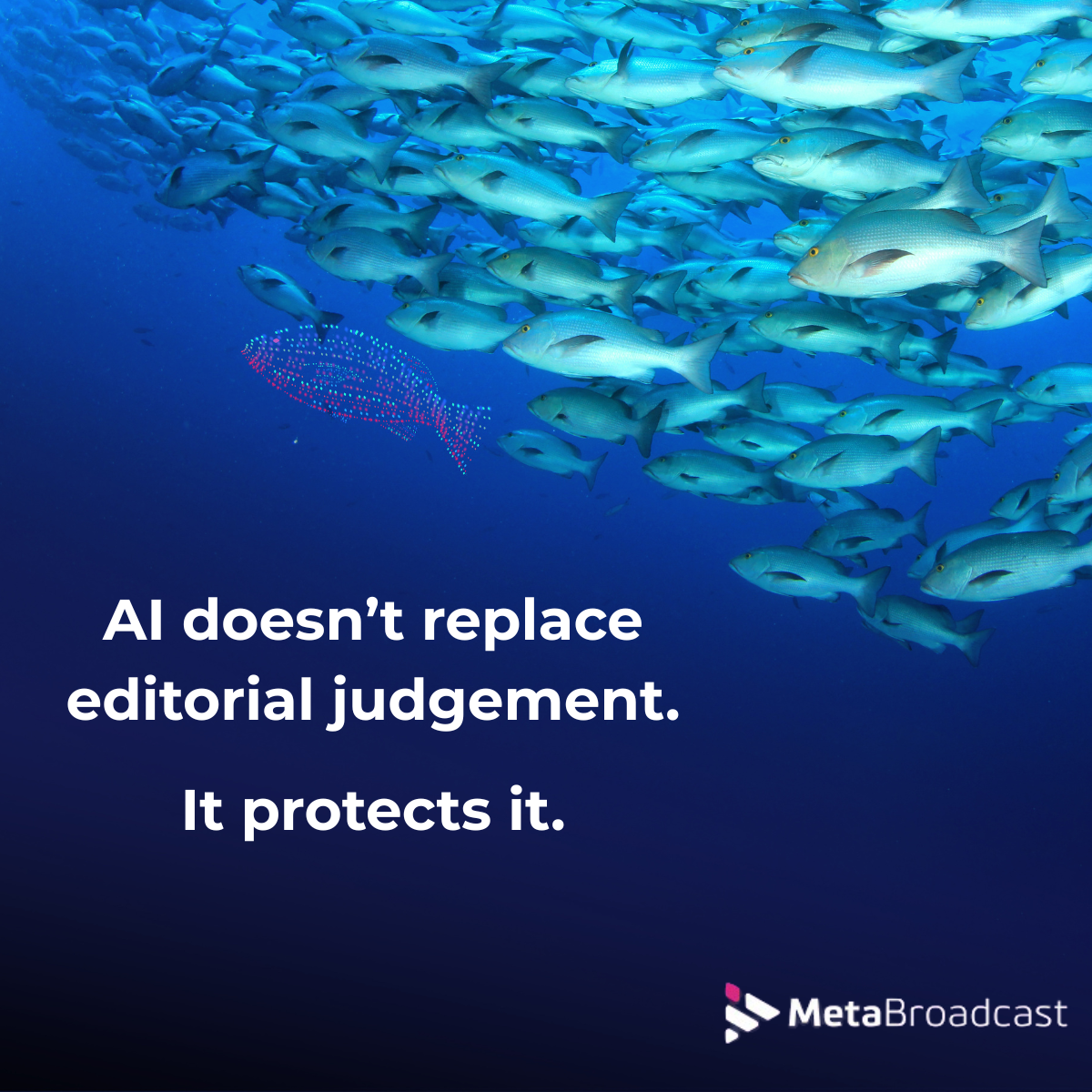
Here's the part worth being clear about: AI isn't here to replace editorial judgement. It's here to protect it.
When editors aren't stuck on line-by-line triage and manual lookups, they get that time back for the decisions that actually need expertise. The final call on any classification will always sit with a person, that doesn't change. What changes is where the human effort goes. Let AI handle the repeatable, automatable steps, and editorial thinking lands where it counts: the edge cases, the escalations, and the judgement calls no prompt can make.
What comes next
The Prompt Playbook is live and in use right no, no extra setup needed. From here we're going deeper: automating more of the high-friction steps in our day-to-day, and widening how AI supports both our editorial work and what we deliver to clients.
The honest takeaway? AI works as a triage and research tool today. It compresses the time spent researching and drafting, without touching the judgement that keeps editorial work accurate. For a team handling metadata at scale, that line, what AI does and what it doesn't, is the whole point.